Dormouse Care Sheet
Origin:
Dormice are native to Europe, Africa, and parts of Asia. The best-known species, the **Edible Dormouse** (*Glis glis*), originates from Europe, while **African Dormice** (*Graphiurus* spp.) are commonly kept as exotic pets and come from forested regions of central and southern Africa.
Description:
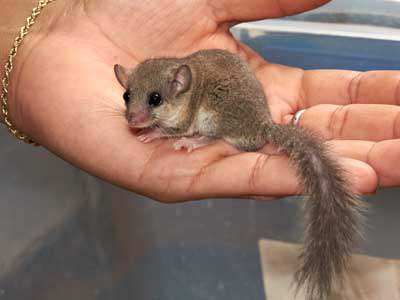
Dormice are small, agile rodents with large dark eyes, soft fur, and long, often bushy tails. Adults typically measure 3–5 inches long (plus tail) and weigh 1–2 ounces. They are nocturnal and excellent climbers, often compared to miniature squirrels. Average lifespan is 4–6 years in captivity.
Temperament:
Dormice are lively, curious, and social animals that enjoy interaction with their owners and other dormice (depending on species). They can be tamed with gentle, regular handling but remain fast-moving and best suited for patient handlers.
Feeding:
- Staple diet: High-quality rodent blocks or hamster pellets as a base.
- Fresh fruits and vegetables: Apple, pear, berries, carrot, and leafy greens (avoid citrus and onions).
- Protein: Offer small amounts of mealworms, crickets, or boiled egg once or twice per week.
- Treats: Seeds and nuts (sparingly, due to fat content).
- Water: Provide fresh, clean water daily in a bottle or shallow dish.
A varied diet is important to mimic their natural feeding habits of fruits, seeds, insects, and buds.
Housing:
- Cage type: A tall wire cage or glass terrarium with good ventilation and plenty of climbing branches, ledges, and toys.
- Size: Minimum 24"x18"x24" for a pair; bigger is always better.
- Bedding: Use paper-based or aspen bedding. Avoid cedar or pine shavings.
- Nesting: Provide nesting boxes or hollow logs lined with shredded paper or hay.
- Temperature: Keep between 68–75°F; avoid drafts or direct sunlight.
- Cleaning: Spot clean daily and change bedding weekly.
Companionship:
Many dormouse species are social and do best in same-sex pairs or small groups if introduced properly. However, always monitor for aggression, especially among males. Provide ample space and multiple shelters to prevent territorial behavior.
Handling:
Dormice are fast and can easily escape, so handle them in a secure space. Begin by offering food from your hand to build trust. Use gentle, cupped hands to lift them—avoid grabbing by the tail. Regular calm handling encourages tameness.
Health:
Common health issues include:
- Respiratory infections (from drafts or poor ventilation)
- Overgrown teeth (from lack of chew material)
- Parasites such as mites or fleas
- Obesity (from excessive fatty foods)
Signs of illness: Lethargy, weight loss, sneezing, dull fur, or lack of appetite. Consult an exotic pet veterinarian if symptoms appear.
Grooming:
Dormice are naturally clean and require little grooming. Provide branches and chew toys to maintain dental health. A small sand bath can help remove oils and keep fur in good condition.
Fun Facts:
- The name “dormouse” comes from the Latin dormire, meaning “to sleep,” because of their long hibernation habits in colder climates.
- Dormice are known for their incredible climbing and jumping abilities.
- Some species can go into torpor (temporary hibernation) if the temperature drops too low.
- They were once considered a delicacy in ancient Rome!
Compliments of:
S & S Exotic Animals, Inc.
1711 Connorvale Rd., Houston, TX 77039
(281) 590-0426
www.sandsexoticanimals.com