Nile Monitor Care Sheet
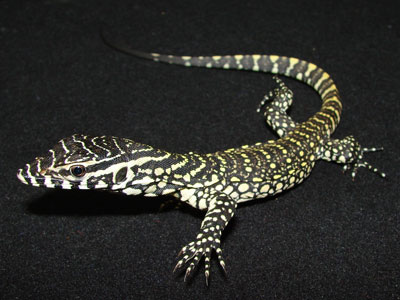
Origin:
Nile monitors (Varanus niloticus) are native to sub-Saharan Africa, inhabiting rivers, lakes, swamps, and wetlands. They are semi-aquatic and skilled swimmers, often found near water with abundant prey.
Description:
Nile monitors are large, powerful lizards with muscular bodies, long tails, and sharp claws. Adults typically reach 6–10 feet in length and can weigh 30–60 pounds. Lifespan in captivity can reach 15–20 years or more.
Temperament:
Nile monitors are intelligent, active, and potentially aggressive. They are not beginner pets. Handling requires experience, caution, and respect for their strength and defensive behaviors.
Feeding:
- Diet: Rodents, birds, fish, amphibians, insects, and occasional eggs. A varied diet is essential for health.
- Feeding frequency: Juveniles daily; adults 2–3 times per week.
- Supplements: Calcium and vitamin D3 supplementation recommended for captive animals.
- Water: Large water source for drinking, soaking, and swimming.
Housing:
- Enclosure: Large semi-aquatic terrarium or custom habitat with secure barriers.
- Size: Minimum 8'x4'x4' for juveniles; adult Nile monitors require much larger custom enclosures.
- Substrate: Sand, soil, or a water-friendly substrate; aquatic section for swimming.
- Temperature: Basking 95–105°F, ambient 80–90°F; water 78–85°F.
- Lighting: Full-spectrum UVB for 10–12 hours/day and heat sources for basking.
- Hides and decor: Provide land areas, basking spots, submerged hiding places, and climbing structures.
Handling:
Handle minimally and with proper equipment (hooks, tongs, or nets). Never handle alone; Nile monitors are strong and capable of serious injury. Always respect their defensive tail and bite.
Health:
Common health issues include:
- Respiratory infections from low temperatures or poor ventilation
- Parasites, both internal and external
- Metabolic bone disease from insufficient UVB or calcium
- Obesity or malnutrition from improper diet
Regular veterinary care with a reptile or exotic animal specialist is strongly recommended. Monitor for lethargy, swelling, abnormal shedding, or loss of appetite.
Grooming:
Nile monitors maintain themselves in water. Provide clean water for soaking and swimming to help with hydration and shedding. Occasional bathing may be beneficial.
Fun Facts:
- Nile monitors are excellent swimmers and can hunt both in water and on land.
- They have extremely strong tails used for swimming, balance, and defense.
- Nile monitors are intelligent and can recognize feeding routines and caregivers.
- They are apex predators in their native habitats and have very strong bite forces.
Compliments of:
S & S Exotic Animals, Inc.
1711 Connorvale Rd., Houston, TX 77039
(281) 590-0426
www.sandsexoticanimals.com