Savannah Monitor Care Sheet
Origin:
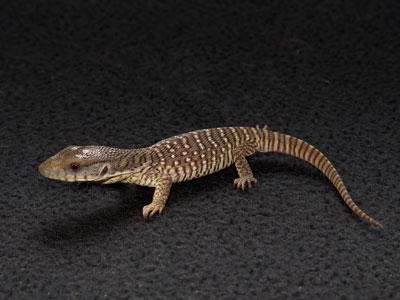
Savannah monitors (Varanus exanthematicus) are native to sub-Saharan Africa, inhabiting savannas, grasslands, and rocky areas near rivers and streams. They are terrestrial but can swim when needed.
Description:
Savannah monitors are robust, medium-to-large lizards with strong limbs, muscular tails, and thick bodies. Adults typically reach 3–5 feet in length and weigh 15–30 pounds. Lifespan in captivity can reach 15–20 years with proper care.
Temperament:
Generally calm when raised from a young age, Savannah monitors are intelligent and can become accustomed to handling. They may display defensive behavior if stressed or threatened. They are primarily diurnal and active during the day.
Feeding:
- Diet: Rodents, insects, fish, eggs, and occasional poultry; a varied diet is essential.
- Feeding frequency: Juveniles daily; adults 3–4 times per week.
- Supplements: Calcium and vitamin D3 supplementation recommended.
- Water: Provide clean freshwater daily for drinking and soaking.
Housing:
- Enclosure: Large, secure terrestrial terrarium or custom habitat with climbing structures, basking areas, and hiding spots.
- Size: Minimum 8'x4'x4' for adults; larger preferred for exercise and enrichment.
- Substrate: Sand-soil mix, cypress mulch, or newspaper; allow for burrowing.
- Temperature: Basking 95–105°F, ambient 80–90°F; nighttime 75–80°F.
- Lighting: Full-spectrum UVB for 10–12 hours/day and heat sources for basking.
- Hides and decor: Provide hides, climbing logs, and shallow water for soaking.
Handling:
Handle gently, supporting the entire body. Savannah monitors are strong and may deliver defensive bites or tail strikes if stressed. Regular, calm interaction from a young age improves tameness.
Health:
Common health issues include:
- Metabolic bone disease from insufficient UVB or calcium
- Respiratory infections from low temperatures or poor ventilation
- Parasites, both internal and external
- Obesity or malnutrition from improper diet
Veterinary care with a reptile specialist is recommended. Monitor for lethargy, refusal to eat, or abnormal shedding.
Grooming:
Savannah monitors shed their skin naturally. Provide rough surfaces and shallow water for soaking to aid shedding and maintain hydration.
Fun Facts:
- Savannah monitors are excellent diggers and often create burrows in the wild.
- They are highly intelligent and can recognize feeding routines and caretakers.
- They use their strong tails for balance and defense.
- Despite their size, they are primarily terrestrial and enjoy climbing rocks or logs.
Compliments of:
S & S Exotic Animals, Inc.
1711 Connorvale Rd., Houston, TX 77039
(281) 590-0426
www.sandsexoticanimals.com